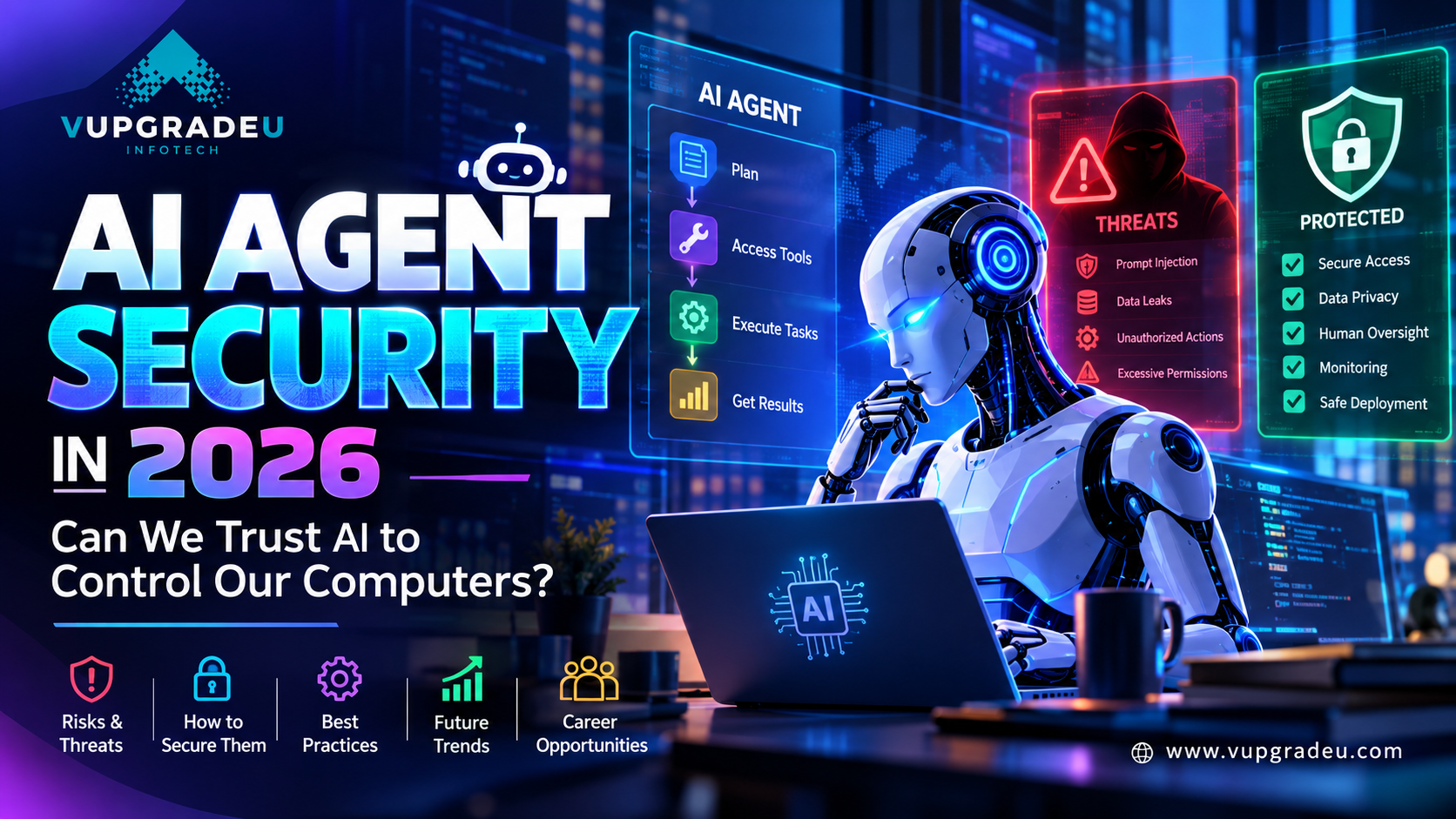
AI Agent Security in 2026: Can We Trust AI to Control Our Computers?
Learn about AI agent security in 2026, including prompt injection, data privacy, access control, secure architecture, and emerging cybersecurity careers.

Learn about AI agent security in 2026, including prompt injection, data privacy, access control, secure architecture, and emerging cybersecurity careers.
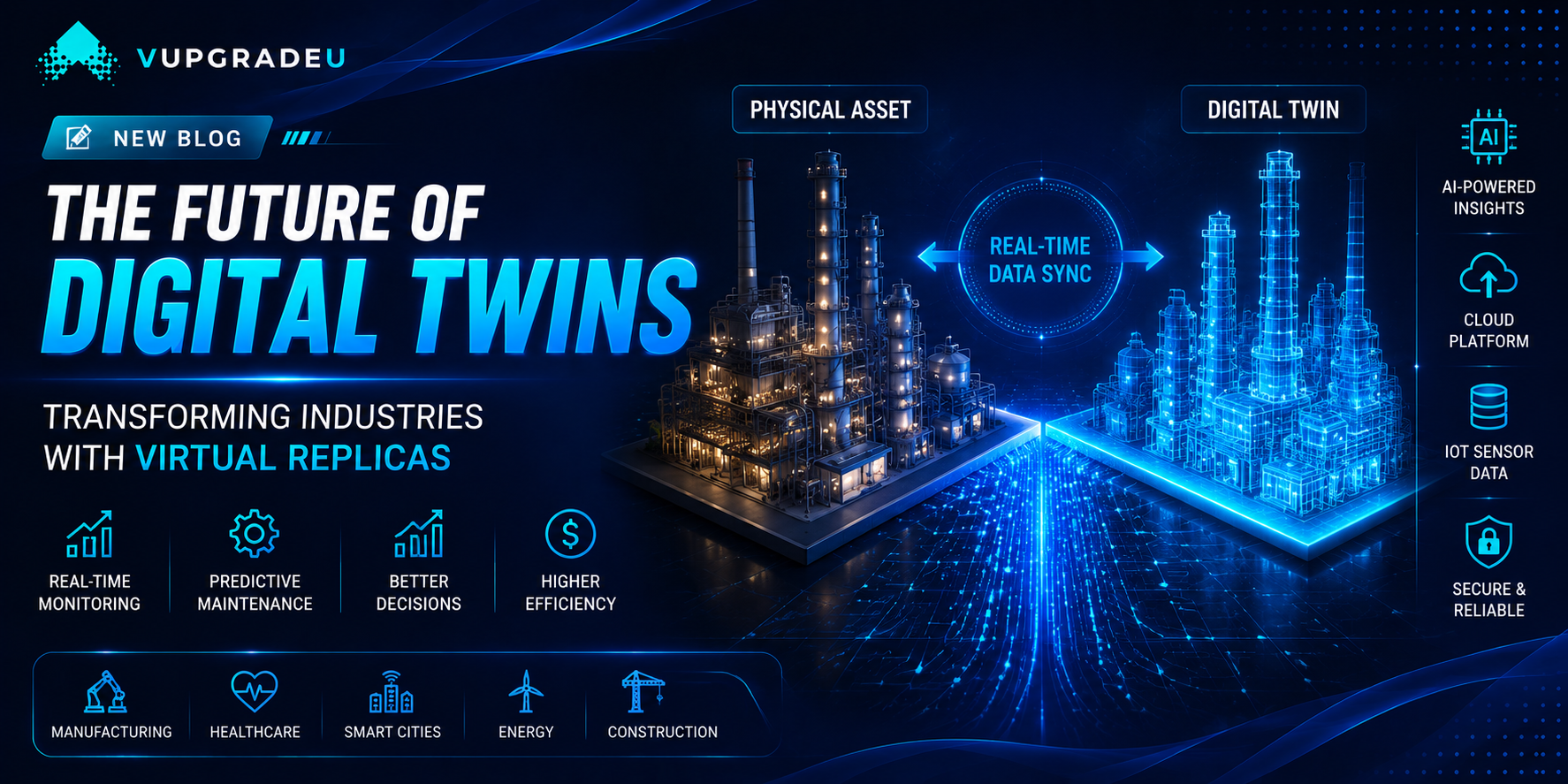
Introduction Imagine having a virtual copy of a machine, factory, hospital, or even an entire city that mirrors its real-world counterpart in real time. This is no longer science fiction—it’s Digital Twin Technology, one of the most transformative innovations driving
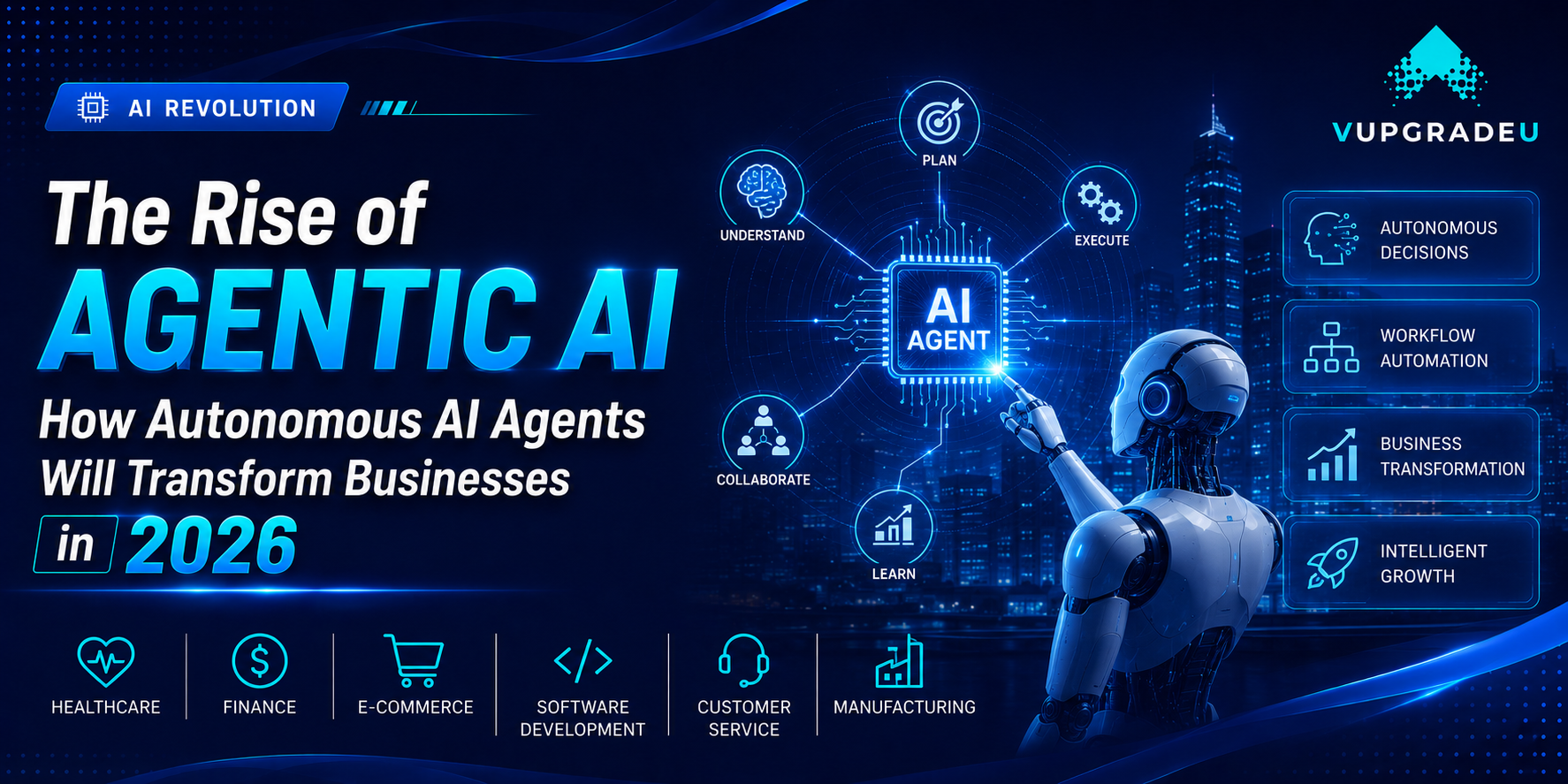
Introduction Artificial Intelligence has already transformed how businesses operate. From AI chatbots and recommendation engines to predictive analytics, organizations have embraced automation like never before. But in 2026, a new evolution is taking center stage—Agentic AI. Unlike traditional AI systems
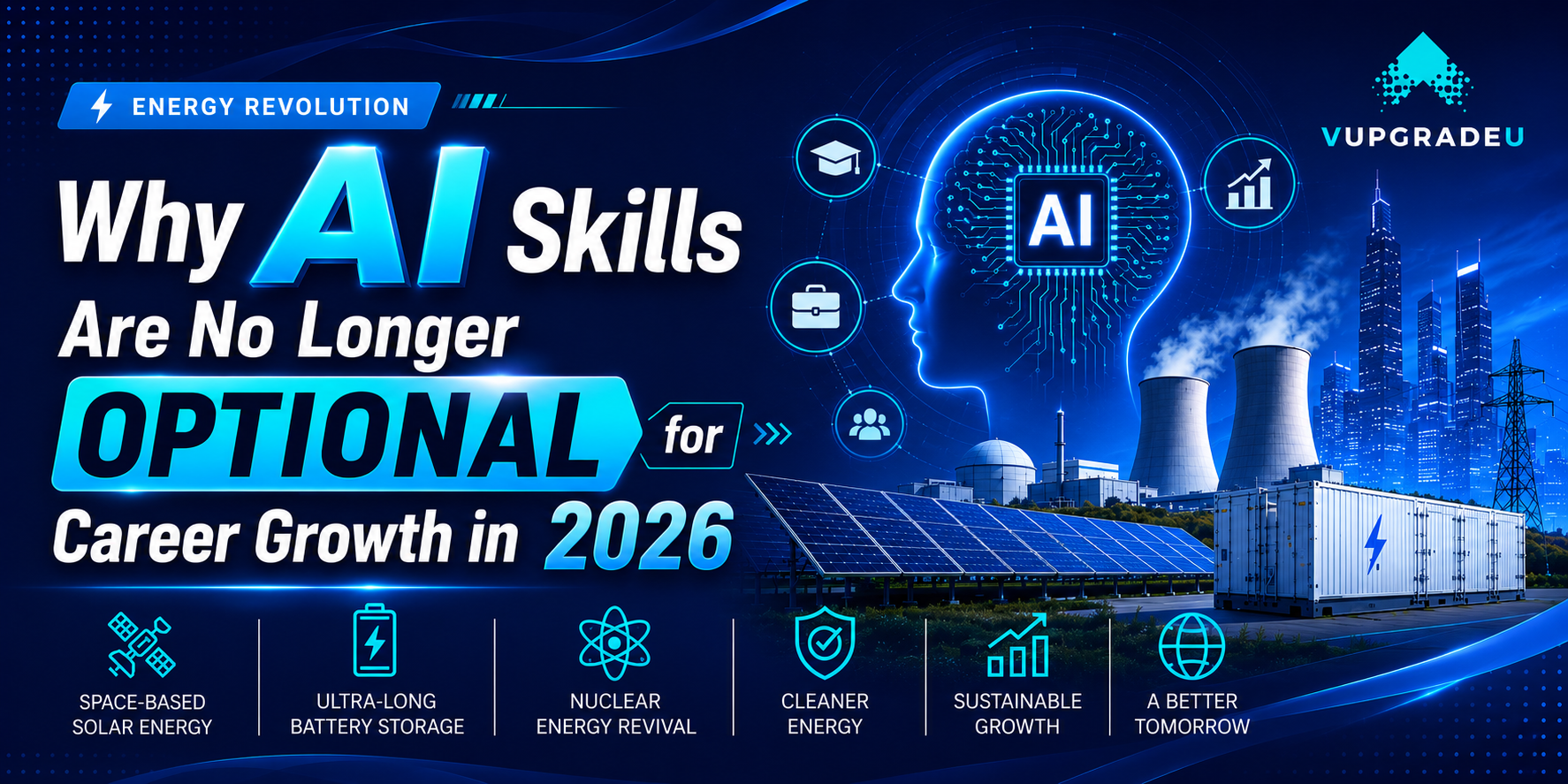
In 2026, the job market is changing faster than ever before. Companies are no longer looking for employees who only have traditional qualifications. Today, businesses want professionals who can adapt, learn quickly, and work with modern technologies like Artificial Intelligence

The world is entering a new technological era—one where Artificial Intelligence (AI) is no longer just software running quietly in the background. It is becoming the backbone of economies, businesses, governments, and daily life. But behind every AI model, every automation, and
Introduction: A New Era Beyond AI For the past decade, Artificial Intelligence (AI) has dominated the technology landscape. From chatbots to self-driving cars, AI has reshaped how we work and live. But quietly, another revolutionary technology has been evolving in the background—Quantum
8 The year 2026 is shaping up to be one of the most transformative years in the tech world. Innovations that were once experimental—like generative AI, quantum computing, spatial computing, humanoid robotics, autonomous mobility, and hyper-personalized digital ecosystems—are finally maturing into mainstream